
A thrilling and exotic holiday destination, Zanzibar offers much more than stunning beaches and crystal-clear waters. Its rich history, captivating culture, and irresistible cuisine make this spot truly unique—not only in Africa, but across the globe.
A Past Rich in Diversity
An archipelago off the east coast of Africa, nestled in the Indian Ocean and made up of Unguja and Pemba—the two main islands—alongside several smaller islets, Zanzibar is a true tropical paradise with white sandy beaches, warm blue waters, and an extraordinarily rich marine biodiversity.
Far more than just a popular tourist destination, Zanzibar boasts a history and culture stretching back centuries. Its strategic location made it a key trading post in ancient times. Although ivory was also traded, Zanzibar became known as the “Spice Archipelago”, with cloves in particular being the primary commodity. Until the mid-19th century, the island was also a major centre for the slave trade from the African mainland to the Middle East and Asia—a harrowing history told in various museums and historical sites, including the Slave Market and the Slave Museum in Stone Town.
Over the centuries, Zanzibar was governed by several foreign powers. The sultanates of Oman and Zanzibar ruled for over 200 years, with the Portuguese occupying the island in the 16th century. The British later assumed control in the late 19th century. Today, the rich cultural, architectural, and traditional legacies left by these various influences converge to create an unforgettable destination.
Islam as the Predominant Faith
A UNESCO World Heritage Site since 2000, the historic city of Stone Town on Unguja island is one of Zanzibar’s most famous attractions. The city is a fascinating mix of Arab, Persian, Indian, and European architectural styles, reflected in its narrow, labyrinthine streets, coral stone houses, and ornately decorated balconies. A visit to the mosque in Stone Town is essential. Originally transformed into a church by the Portuguese—Vasco da Gama is thought to have been the first to arrive in 1499—and later used by the British, the building was eventually returned to Islamic worship in the 20th century.
The Anglican Church of Christ also stands as a major historical landmark in Stone Town, having been built by the British in the late 19th century and still used for worship today. Zanzibar’s culture is deeply shaped by religion, with the vast majority of the population practising Islam. The Islamic faith resonates throughout the city, with the call to prayer echoing from minarets across the island. Like the rest of the Muslim world, Zanzibar observes Ramadan, a sacred month marked by fasting from dawn until sunset. The end of Ramadan is celebrated with Eid al-Fitr, a joyful time that brings the entire island together.
A Culture That Transcends Borders
Taarab music, native to the island, is a unique fusion of Arabic and African melodies and instruments, interwoven with Indian and European influences and often performed by female vocalists. The ngoma, a traditional dance, is an essential feature at festive events and local celebrations. Swahili art, found throughout the island, blends Islamic, African, and Indian elements—evident in intricately carved wooden doors, embroidered fabrics, and local ceramics.
Zanzibar’s Swahili cuisine is likewise a vibrant blend of African, Arab, Indian, and European flavours. Spices such as cinnamon, pepper, and cumin feature prominently in many dishes. Cloves, cultivated across the island, are used in numerous local specialities, including crab curry and fish soup. Fresh seafood is a highlight, with grilled lobster often stealing the show—though crabs, prawns, and the many types of fish that thrive around the island are not to be missed. Dishes like pilau (spiced rice) and biryani (an Indian rice dish with meat or chicken) are testaments to Zanzibar’s long-standing blend of cultures.
A Land of Nature and Magnificent Beaches
Zanzibar’s magic extends beyond the historic streets of Stone Town, with Jozani Forest offering a prime example. Located in central Unguja, this natural reserve is home to the red colobus monkey, an endemic species, along with many other forms of flora and fauna—making it a popular destination for eco-tours.
Chumbe Island, just off Zanzibar’s coast, is a protected marine sanctuary and a remarkable eco-tourism destination.
World-renowned for its idyllic beauty, Zanzibar’s beaches are utterly paradisiacal. Nungwi, at the northern tip of Unguja, is a favourite spot for sun-seekers and sea lovers. Paje Beach, on the island’s south-eastern coast, is a hotspot for windsurfers and kitesurfers, thanks to its consistent winds. Matemwe, on the north-eastern coast, offers a more secluded and peaceful retreat.
Prison Island, Chumbe, and Mnemba are reachable via beautiful boat trips and are ideal for diving, snorkelling, and spotting sea turtles.
Figures Who Shaped the Island
Zanzibar is also the birthplace of many notable historical figures who helped shape its identity and culture. One such figure is Sayyida Salama bint Said, daughter of Sultan Said bin Sultan, who authored Memoirs of an Arabian Princess, offering a fascinating glimpse into 19th-century life on the island.
Sayyida Salme (later known as Emily Ruete) was a bold, independent woman who left Zanzibar for Germany, where she converted to Christianity and married the German man who had inspired her departure—Rudolph Heinrich Ruete. Her father, Seyyid Said, ruled the island between 1804 and 1856 and was instrumental in transforming Zanzibar into a key Indian Ocean trading hub, establishing commercial ties with India, the Arabian Peninsula, and East Africa. He was also responsible for constructing Beit al-Sahel Palace in Stone Town, which now houses the National Museum of Zanzibar.
Another key historical figure is Sultan Khalid bin Barghash, who led a revolt against British rule in 1964 after Zanzibar gained independence. The uprising was brutally suppressed by the British army, and the sultan was forced to flee to Tanzania, where he lived in exile. A controversial figure, he is seen by some as a hero who fought for the island’s independence, and by others as a tyrant responsible for considerable bloodshed in his pursuit of power.
Perhaps the most internationally renowned figure associated with Zanzibar is Queen’s legendary frontman, Freddie Mercury, who was born in Stone Town in 1946. Born Farrokh Bulsara, he spent much of his early childhood on the island before moving to England with his family. His birthplace still stands and is a popular tourist attraction.
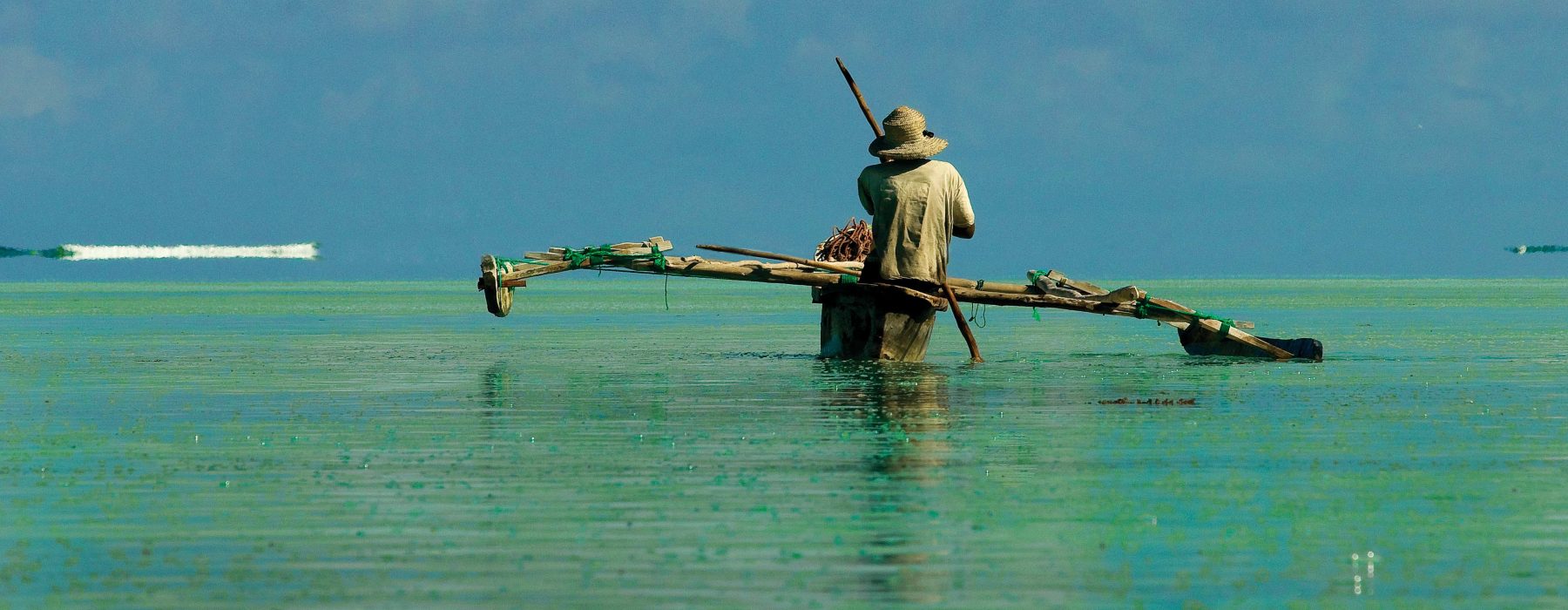
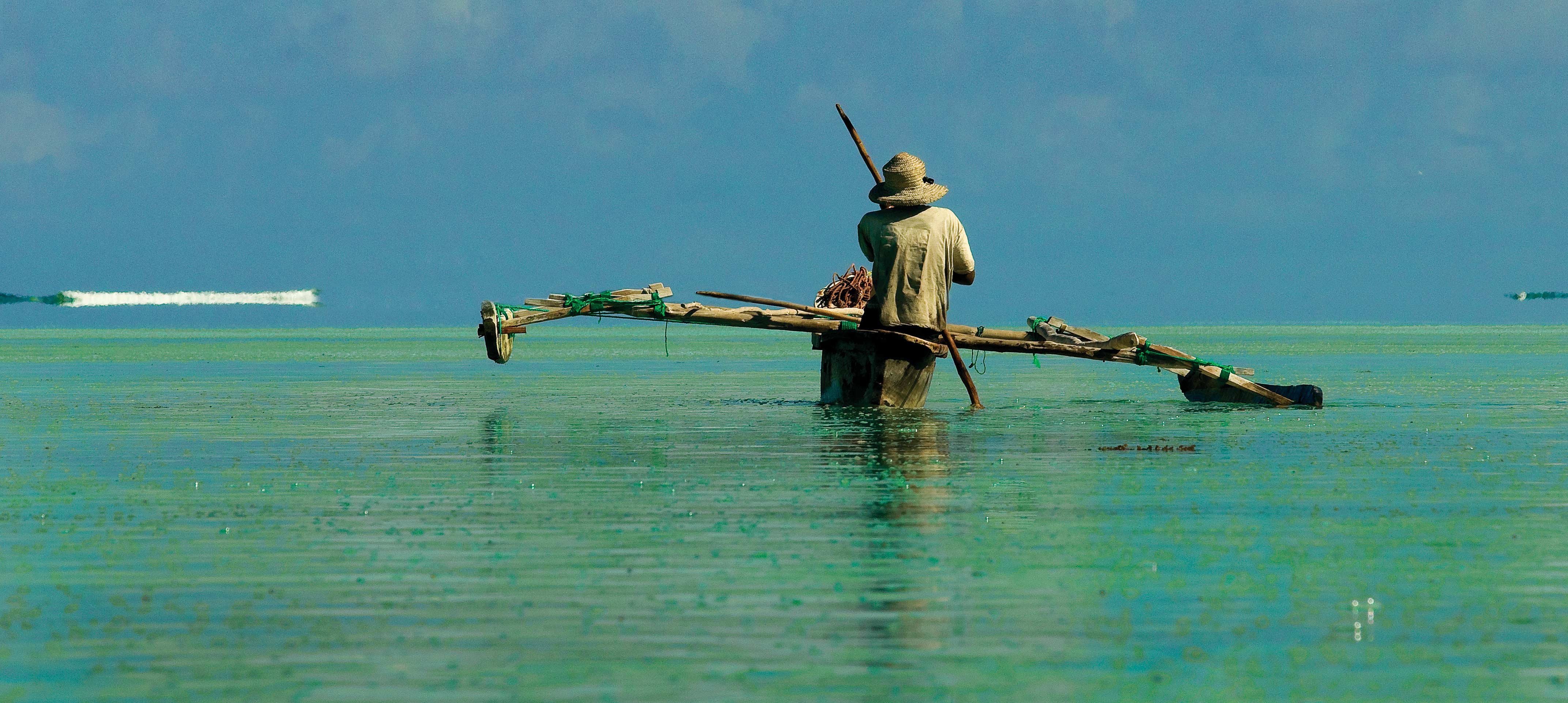
Beyond these historic personalities, Zanzibar is home to countless ordinary people who contribute to the island’s rich and vibrant cultural life. From the fishermen catching red snapper in the Indian Ocean to the spice vendors in bustling markets, everyday life in Zanzibar is lively and full of energy.
It is this fusion of history, culture, and people that makes the island such a compelling and unique travel destination. A land of contrasts and contradictions, Zanzibar brings together a rich past and a deeply passionate culture in one small territory—an influence that has resonated far beyond its shores. Peaceful and serene today, though once marked by conflict, the island retains an atmosphere and authenticity that are absolutely unique.
For more information: