
BIG PARKS
From Nairobi to Mombasa, passing through Lake Nakuru and the stunning Masai Mara, Travel & Safaris explored Kenya’s finest safari destinations and the enchanting coastline that stretches along the Indian Ocean.
Nairobi National Park
Beyond the towering skyscrapers and the deafening music of Nairobi’s most popular means of transport — the matatus, as they’re known locally — lies a haven of peace and tranquility. Located just 10 kilometers from the heart of the capital, Nairobi National Park is the only wildlife park in the world situated within a major city. It is home to a wide variety of wild animals and bird species, with absolutely breathtaking panoramic views, making it a popular destination for family outings.
Wildlife
Among the animals that inhabit the 117-square-kilometre park are giraffes, lions, leopards, baboons, zebras, wildebeest and cheetahs—totaling around 100 species of mammals. There are also approximately 400 species of both migratory and endemic birds. Ideal to visit throughout the year, the park experiences a hot and dry climate from January to March, a hot and humid period from April to June, and considerably warmer temperatures from July to October, although humidity levels remain stable.
Wildlife enthusiasts will find an exceptional game-viewing experience here, with the city skyline as a dramatic backdrop. A thriving rhino sanctuary—one of the most successful in Kenya—it also boasts a remarkable bird population, which tends to grow between March and May when large numbers of migratory birds from Europe make it their temporary home. The range of activities available to visitors is extensive, including panoramic sightseeing, game viewing, picnicking and birdwatching.
Masai Mara National Reserve
The Masai Mara National Reserve is located in south-western Kenya and forms a vast stretch of gently rolling African savannah, covering an area of 1,510 square kilometers. It borders the Serengeti National Park in Tanzania to the south. The Masai Mara is a unique wildlife conservation haven, renowned for its spectacular natural diversity of fauna, and is Kenya’s premier safari destination—offering countless reasons for visitors to explore this animal paradise.
The park is home to large populations of lions, cheetahs, elephants, rhinos, African buffaloes, wildebeest, giraffes, zebras and many other species that roam freely in their natural habitat across Kenya’s vast wilderness.
It’s no wonder that tourists from around the world come here for a safari, particularly to witness the Great Wildebeest Migration—recognized as one of the New Seven Wonders of the World. This phenomenal event takes place each year between July and late September, although the timing may vary slightly depending on rainfall patterns. During these months, the golden savannah is filled with moving dots representing over 1.5 million wildebeest, zebras, and antelopes migrating northwards from the Serengeti in search of food and water, while also continuing their cycle of mating and birth.
This is also the homeland of the Maasai people—perhaps Africa’s most iconic tribe—who are semi-nomadic herders traditionally living off livestock. Originally a Nilotic ethnic group believed to have migrated centuries ago from the semi-arid Nile Valley north of Lake Turkana, the Maasai have preserved a distinctive way of life and are easily recognized by their shukas—traditional robes in red or other vibrant colors.
The Animals and Wildlife of the Masai Mara
Wildlife in the Masai Mara is considered one of the most extraordinary gatherings of wild animals anywhere in the world. With around 90 species of mammals and many more species of birds, the Masai Mara and its surrounding ecosystem—known as the Greater Mara—are home to a rich and diverse array of fauna that draws tourists from across the globe.
Here, wildlife is generally classified into a list of mammals that includes the famous Big Five (lion, elephant, rhinoceros, leopard and buffalo) and the Big Nine, which adds the cheetah, giraffe, hippopotamus and zebra to the list.
Mammals
The Masai Mara is also home to a wide variety of other mammals, including:
- Aardvark
- African Hare
- Antelopes
- Banded Mongoose
- Bat-eared Fox
- Bushbaby
- Bushbuck
- Coke’s Hartebeest
- Common Eland
- Red-tailed Monkey
- Crested Porcupine
- Dwarf Mongoose
- Grant’s Gazelle
- Impala
- Kirk’s Dik-dik
- Olive Baboon
- Oribi
- Pangolin
- Striped Jackal
- Slender Mongoose
- Spotted Hyena
- Spring Hare
- Straw-coloured Fruit Bat
- Thomson’s Gazelle
- Topi
- Vervet Monkey
- Waterbuck
Birdlife
The Masai Mara National Reserve is also an excellent destination for birdwatching, with over 500 recorded species. Notable exemples include:
- Abdim’s Stork
- African Darter
- African Grey Hornbill
- African Fish Eagle
- African Harrier Hawk
- African Open-billed Stork
- African Spoonbill
- African White-backed Vulture
- Black-chested Snake Eagle
- Black-headed Heron
The BIG FIVE
Lion
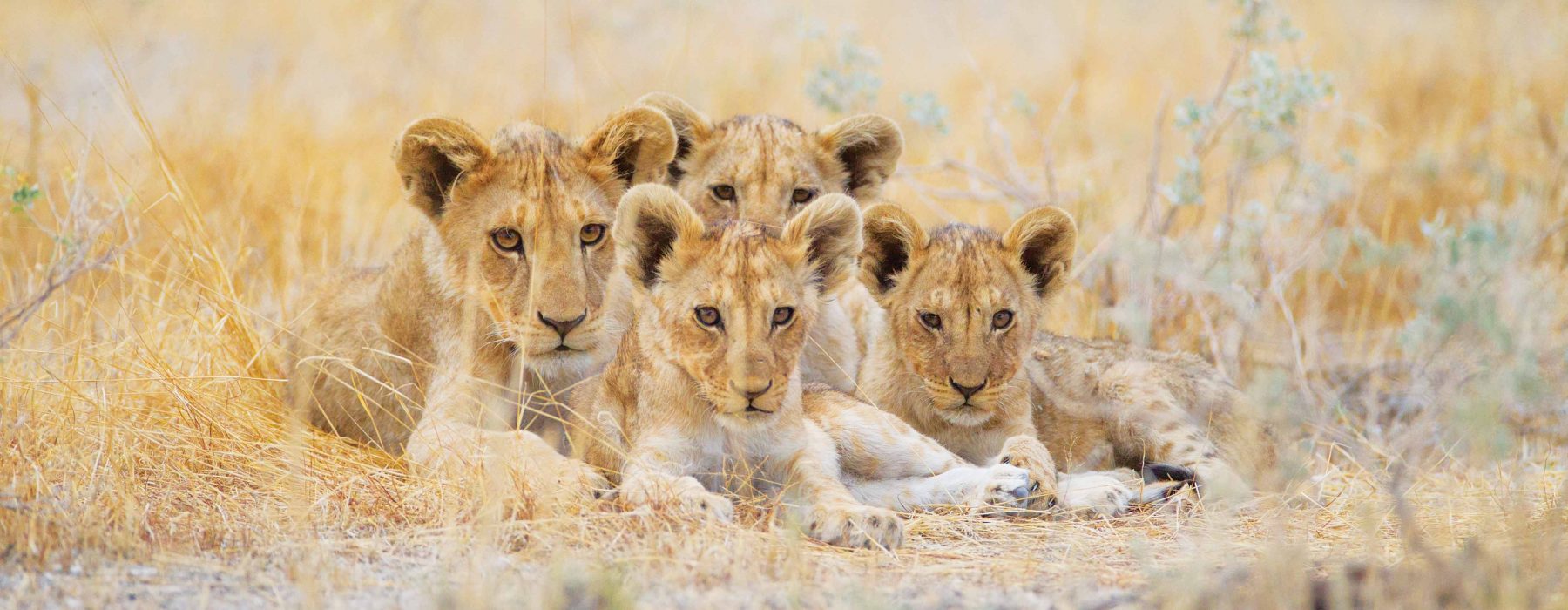
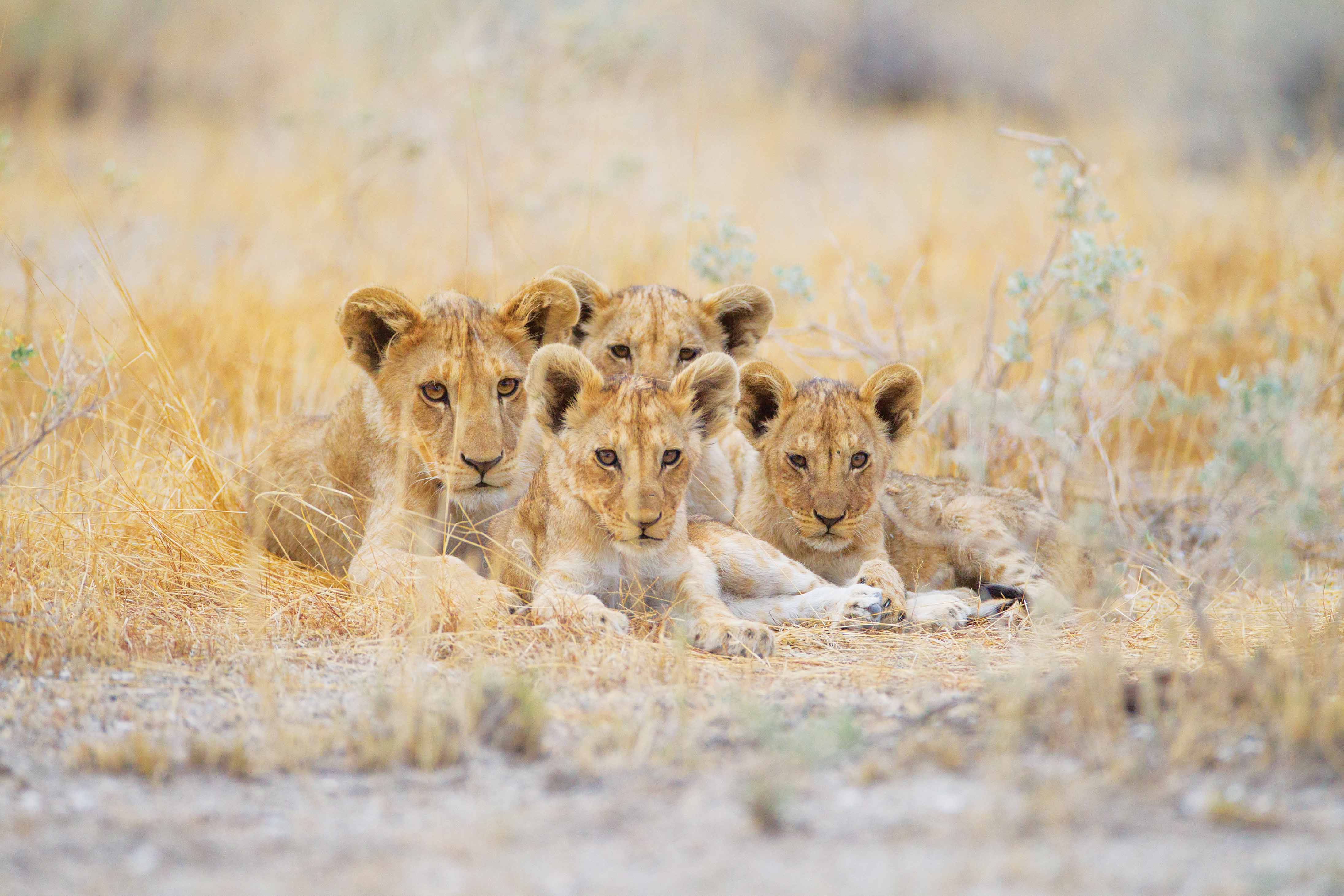
It is estimated that there are between 850 and 900 lions within the Masai Mara Reserve and its bordering conservancies. The “Mara,” as it is also known, is widely regarded as one of the best places in Kenya and East Africa to observe these magnificent animals in the wild during a safari. Male lions can control vast territories ranging from 30 to 400 square kilometers, while lionesses typically lead the hunt, occasionally assisted by the males.
Elephant
One of the most abundant animals in the Mara, the African elephant is an intelligent, social and family-oriented creature. Despite the ongoing threat posed by ivory poaching, there is good news: elephant numbers in the Masai Mara have been on the rise in recent years. African elephants are the largest land animals in the world, capable of weighing up to 6.6 tones.
Rhinoceros
The Masai Mara is home to the black rhinoceros, a species that is slightly smaller but more aggressive than the white rhinoceros, which is more commonly found at Lake Nakuru. Black rhinos are not actually different in color from white rhinos. They use their horns for mating rituals, combat, and defense, and their hooked upper lip allows them to browse shrubs, favoring habitats with dense vegetation.
Leopard
The leopard is classified as one of the big cats and belongs to the five species of the Panthera genus. While leopards are found in healthy numbers in the Masai Mara—as well as in other Kenyan parks—these elusive creatures are listed as vulnerable on the IUCN Red List, due to threats posed by human expansion and habitat loss. They are solitary hunters and are typically shy by nature, favoring nocturnal activity.
African Buffalo
Also known as the Cape buffalo, this large animal is considered one of the most dangerous in East Africa—not only because of its volatile and unpredictable nature (a reason why it has never been domesticated, unlike its Asian counterparts), but also due to its formidable defense mechanisms. When protecting their young, females—and even solitary males—can become highly aggressive. Buffaloes are often seen in herds of 100 or more and rarely stray far from water, especially during the dry season. These animals are found in large numbers in all major parks except Nairobi National Park, and are particularly abundant in the Masai Mara National Reserve.
The BIG NINE
The “Big Nine” essentially comprises the “Big Five” along with the cheetah, giraffe, zebra and hippopotamus. The Masai Mara National Reserve is one of the few places in Kenya and East Africa where all nine species can often be seen during a single 2- to 3-hour game drive.
Cheetah
The cheetah is one of the emblematic animals of the Masai Mara, known for hunting in open areas, often in groups of up to four or five individuals. Universally recognized for its speed, it is the fastest land animal, reaching up to 110 km/h in short bursts while chasing prey. Though similar in appearance to the leopard, the cheetah has a slenderer and more lightweight frame, a slightly arched back, and a smaller, rounder face. It stands about 80 cm tall at the shoulder, measures roughly 210 cm in length (including the tail), and weighs between 40 and 60 kg. Small populations exist in all of Kenya’s major reserves.
Giraffe
The tallest land animals on Earth, giraffes are an unmistakable sight, noted for their graceful movements—even when running at speeds of 50 to 60 km/h. In Kenya, there are two main subspecies: the reticulated or Somali giraffe in the north, and the Masai giraffe in the south, which is the species found in the Masai Mara. It is estimated that around 33,000 Masai giraffes live in the wild in Kenya.
Zebra
Among the most iconic animals of East Africa, zebras are abundant in the Masai Mara and throughout much of Kenya. There are two main subspecies: the plains zebra, found in the Masai Mara, and the Grevy’s zebra, which has narrower stripes and is more commonly seen in Samburu Reserve in northern Kenya.
Hippopotamus
The hippopotamus is the third-largest land mammal, with adult males weighing around 1,500 kilograms. They typically inhabit wetlands, rivers and lakeshores, spending most of the day submerged in water to stay cool.
Lake Nakuru National Park
Located in the Rift Valley and surrounded by typical grasslands, Lake Nakuru spans a vast, semi-alkaline body of water. The Lake Nakuru National Park offers a stunning array of landscapes, rich biodiversity, and a wide range of plant and animal species. It is a unique wildlife-viewing destination and a successful sanctuary for both black and white rhinos—both classified as endangered.
A paradise for birdwatchers, the park is home to around 450 species of birds, including aquatic, terrestrial and migratory species such as pelicans, fish eagles, secretary birds, herons, cormorants, storks and grebes. Established as Kenya’s first rhino sanctuary, the park hosts one of the largest concentrations of black rhinos in the country and a significant number of introduced white rhinos.
The acacia woodlands are home to herds of impalas, antelopes and the shy bushbuck. Rocky outcrops provide an ideal habitat for the rock hyrax. Carnivores present in the park include lions and leopards, while other wildlife species include spotted and striped hyenas, serval cats, silver-backed and striped jackals, and mongooses.
Alkaline Waters
A significant rise in the lake’s water levels in 2011 expanded the lake considerably and disrupted the delicate chemical balance that supports its ecosystem. Due to the excess water, the alkaline levels that sustain the algae—on which flamingos feed—were diluted, resulting in a decline in their population. As a birdwatcher’s paradise, the park still hosts approximately 450 bird species, including aquatic, raptor, terrestrial and migratory birds. Key species include pelicans, fish eagles, secretary birds, herons, storks, hamerkops, flamingos and grebes.
Mombasa Marine Park and Reserve
Synonymous with sun and sand, warm and pleasant weather, and a vibrant urban atmosphere, Mombasa is one of Kenya’s top coastal destinations—highly favored by beach lovers in search of idyllic shorelines. In Mombasa, the Mombasa Marine Park is a true gem waiting to be discovered. Its beauty lies in the coral reefs, crystal-clear ocean waters, and thriving marine life. Spanning 210 square kilometers, the park enjoys a warm and humid climate and is bordered by stunning beaches such as Nyali, Shanzu, Bamburi and Kenyatta Public Beach. Nearby, a visit to Fort Jesus is well worth the time—an iconic historical site of great significance, where the legacy of Portuguese explorers is still remembered today.The park’s coral ecosystems are rich, home to a wide array of species and forms of marine life including crabs, sea urchins, jellyfish, snappers, and groupers, among others. Seagrasses and algae are also present, and the birdlife includes a variety of seabirds that nest in large breeding colonies.
Sports and Activities
- Jet skiing
- Boat trips
- Sailing
- Windsurfing
- Diving
- Snorkelling
Rules to Follow
- Check local weather and sea conditions before entering the water.
- Do not damage or remove corals.
- Do not collect shells or any other marine flora or fauna.
- Do not buy shells or other marine products as souvenirs.
- Do not litter on the beach or in the sea. It is illegal and harmful to the environment.
- It is illegal to hand-feed fish, as it disrupts their natural feeding behavior.
For more information: